

The Mental Side of Recovery
When Injury Takes a Mental and Emotional Toll
In-Person Therapy in Hermosa Beach | Virtual Therapy Across California
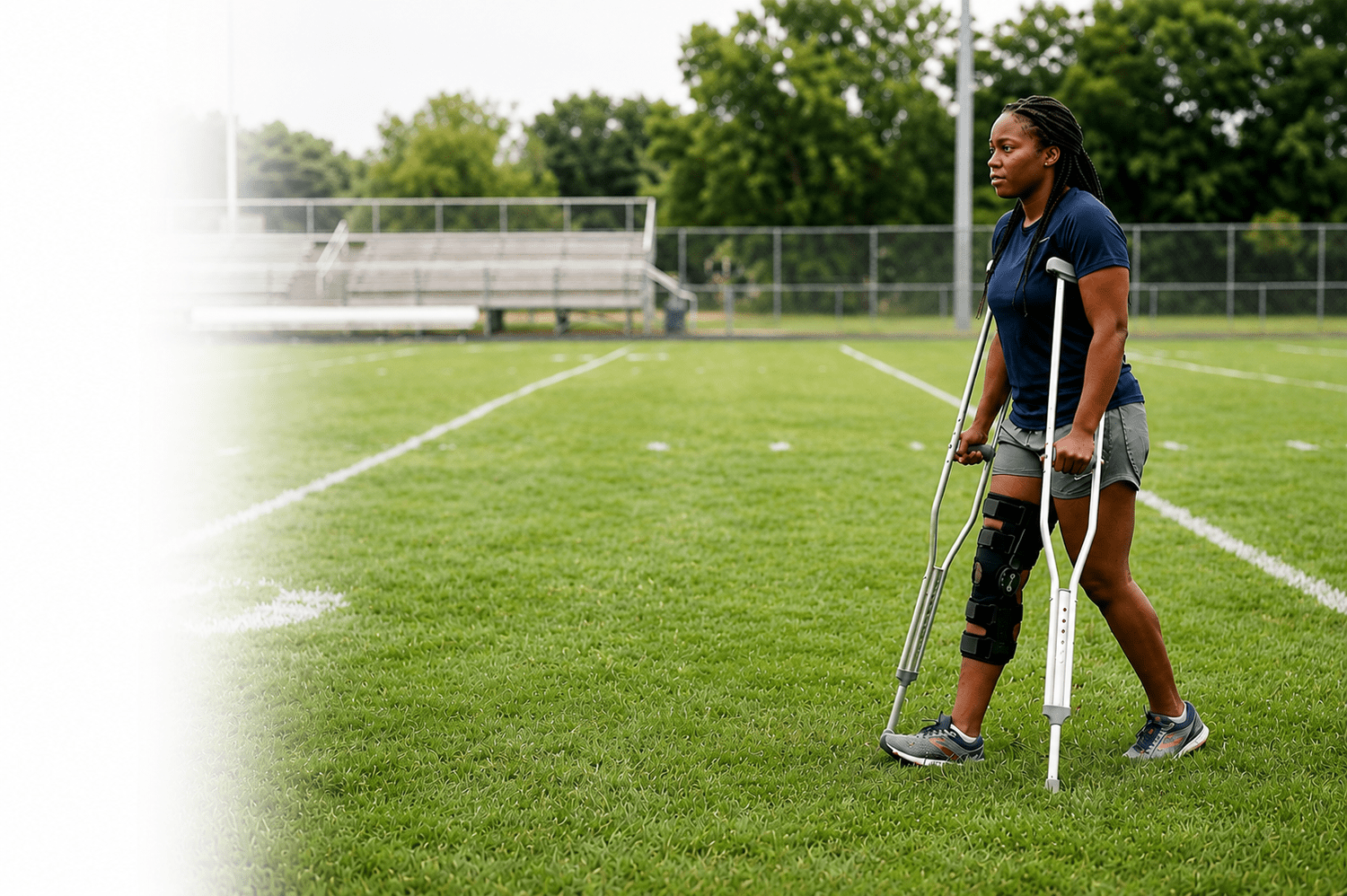
Recovery Can Affect More Than You Expect
The physical effects of injury may be the most visible, but they’re often only part of what you’re dealing with.
Fear & Uncertainty
Fear of reinjury, surgery, setbacks, or uncertainty about whether you will fully recover.
Frustration & Overwhelm
Feeling frustrated, anxious, down, isolated or overwhelmed by the recovery process.
Confidence & Trust in Your Body
Losing confidence in what your body can do or struggling to trust it again.
Identity & Daily Life
Changes in your independence, relationships, work, activities or sense of who you are.
How Therapy Can Support Your Recovery

Recovery can bring challenges you didn’t expect. Therapy gives you a place to work through them. We can work together to:
This Support Is for You If You Are...
Recovering from a recent injury or surgery
Struggling with the mental side of rehab
Returning to sport and feeling unsure
Wanting to rebuild confidence and trust in your body
Wanting to get back to the life you enjoy
Frequently Asked Questions
Yes. Injury can affect much more than your physical health, including your mood, confidence, identity, relationships, and everyday life. Therapy gives you a place to work through these challenges and develop strategies to support your mental well-being throughout recovery.
Yes. It’s common to feel hesitant or fearful about movement after an injury, even when you’ve been physically cleared to return. Therapy can help you understand those fears, rebuild trust in your body, and develop the confidence to gradually return to the activities that matter to you.
Not at all. Injury can be difficult whether you’re trying to return to a sport, your job, exercise, parenting, hobbies, or simply your usual daily life. I work with people navigating the mental and emotional challenges that can come with injury, surgery, rehabilitation, and recovery.
My background as a sports physical therapist gives me a unique understanding of both the physical and mental sides of recovery. I understand the rehabilitation process and the challenges that can come with pain, setbacks, physical limitations, and returning to activity, while my role as your therapist focuses on supporting your mental and emotional well-being.
Absolutely. You don’t have to wait until physical therapy or medical treatment is finished. Therapy can support you throughout the recovery process, whether you’re preparing for surgery, early in rehabilitation, dealing with setbacks, or working toward returning to the activities you enjoy.
Yes. The impact of an injury can last well beyond physical recovery. You may still experience fear, changes in confidence, frustration with your body, or changes in how you see yourself and approach activities you once enjoyed. Therapy can help you work through experiences that continue to affect you, regardless of when the injury occurred.
Mental Strength Is Part of Recovery
Taking care of your mental health is not a sign of weakness. It shows strength and an investment in your full recovery.
Let’s work together to help you recover with greater confidence, resilience, and trust in yourself.